Indian Institute of tropical meteorology

SKYCAST
Probing the
Atmospheric Boundary Layer
Operated by Indian Institute of Tropical Meteorology, Pune
Ministry of Earth Sciences, Government of India

Know the Instrument

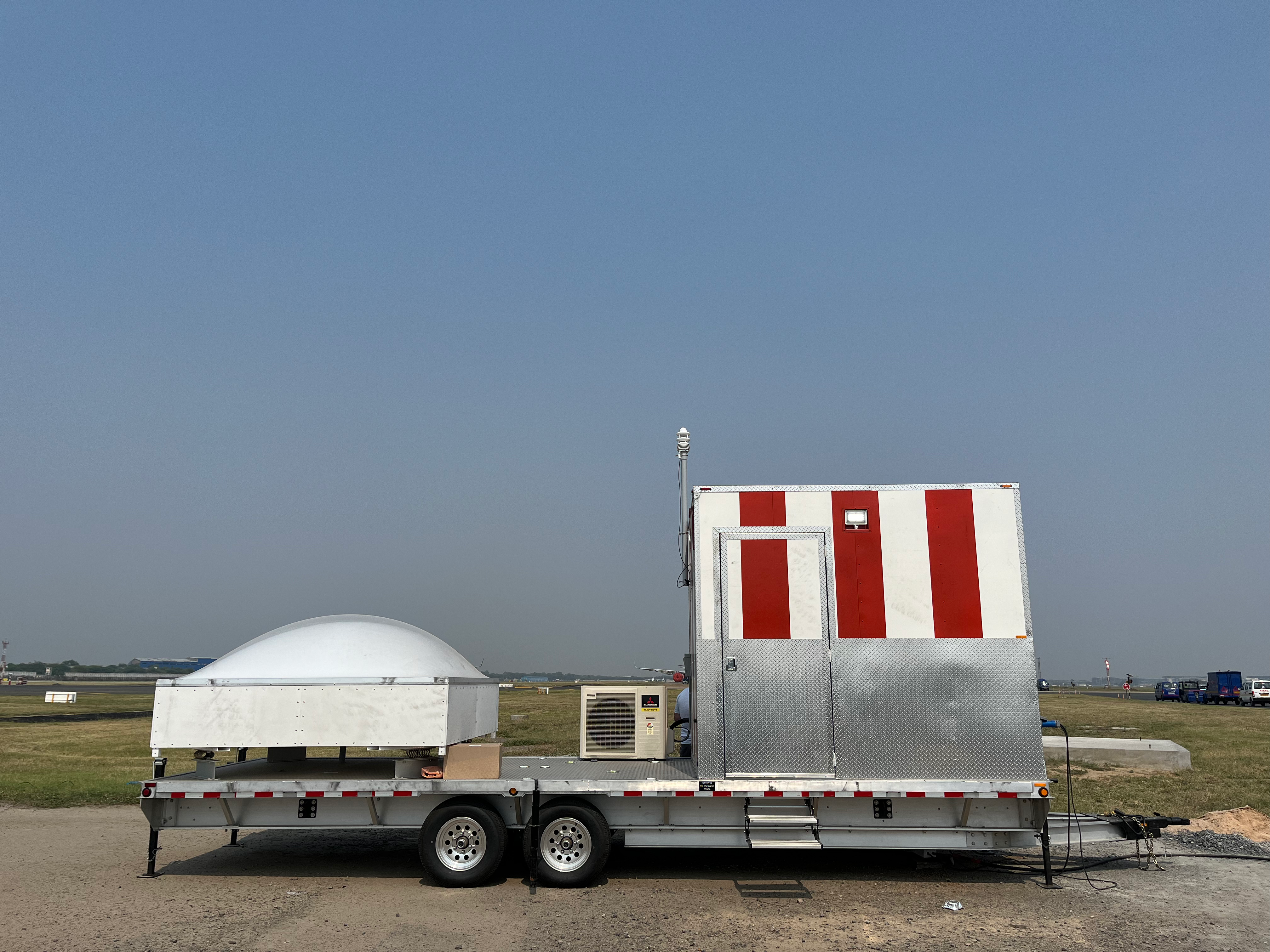
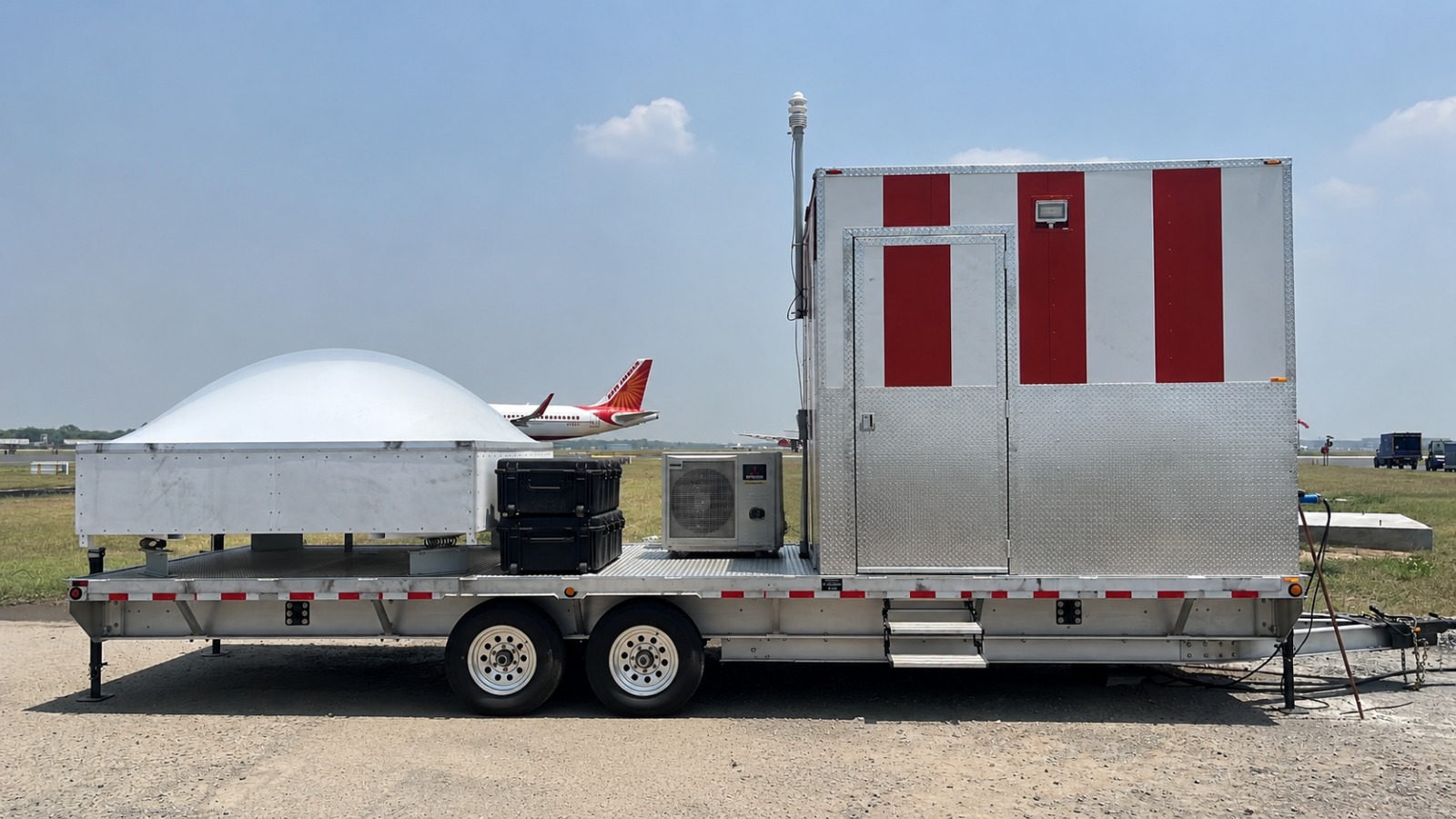
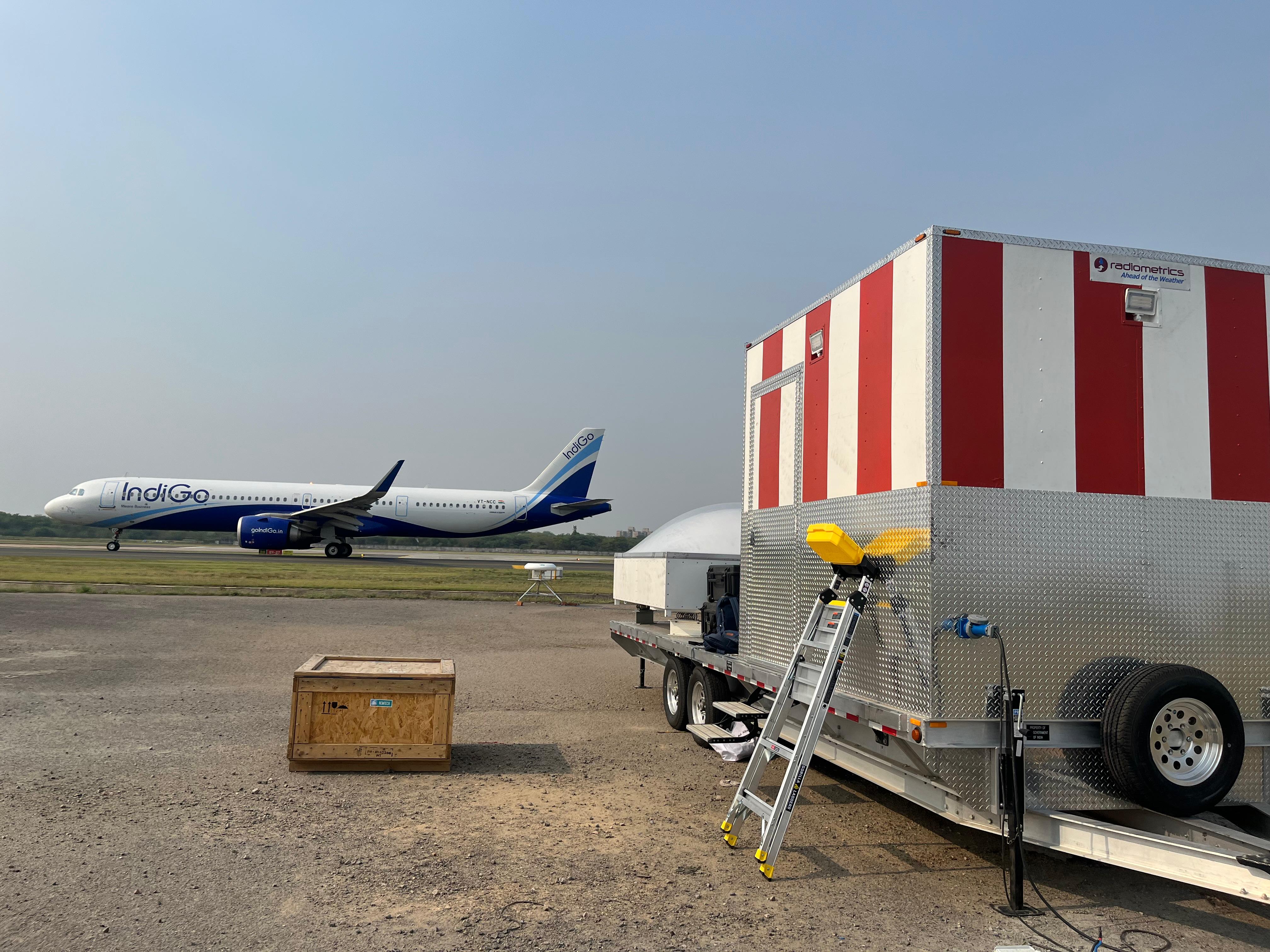
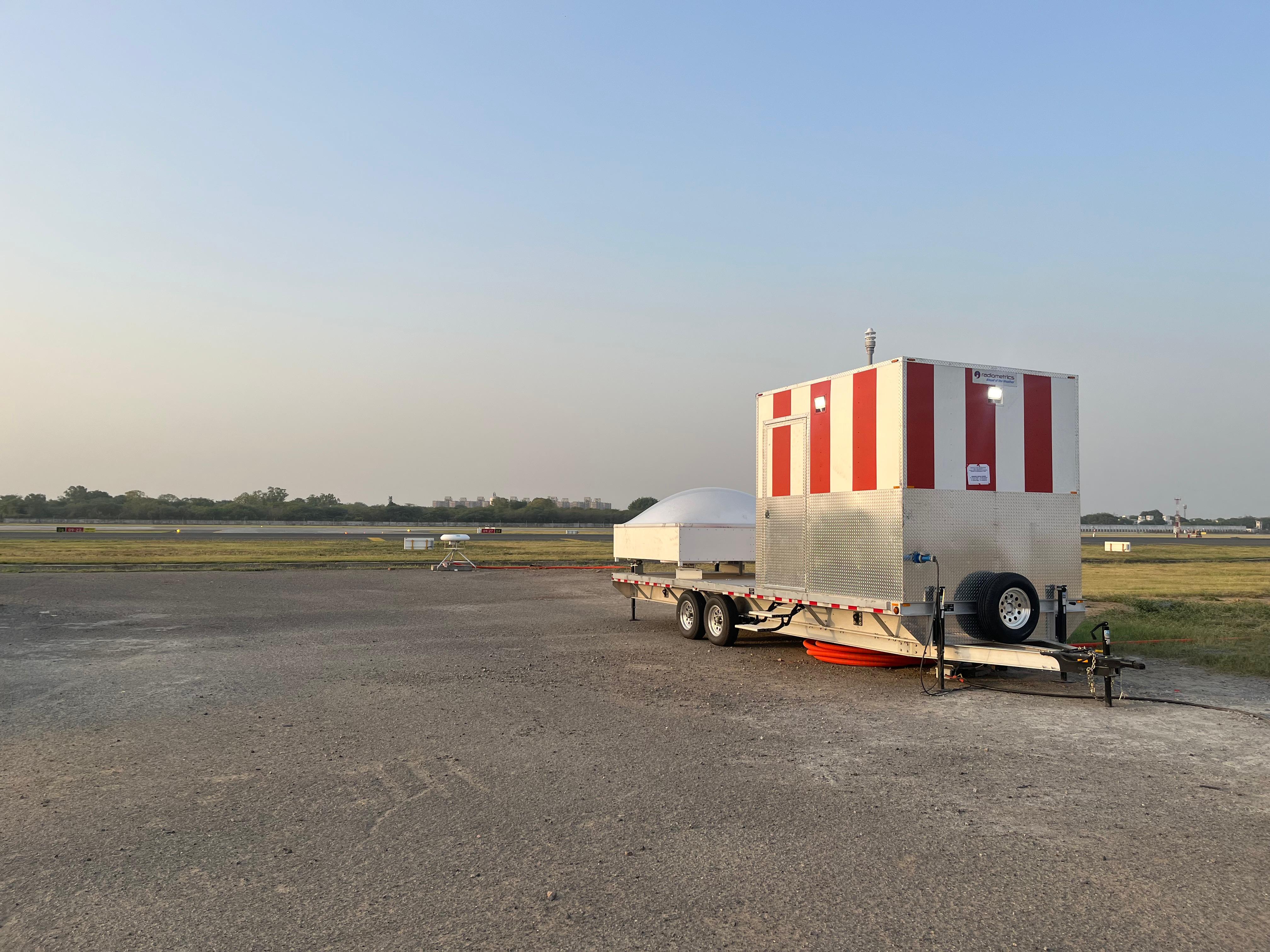
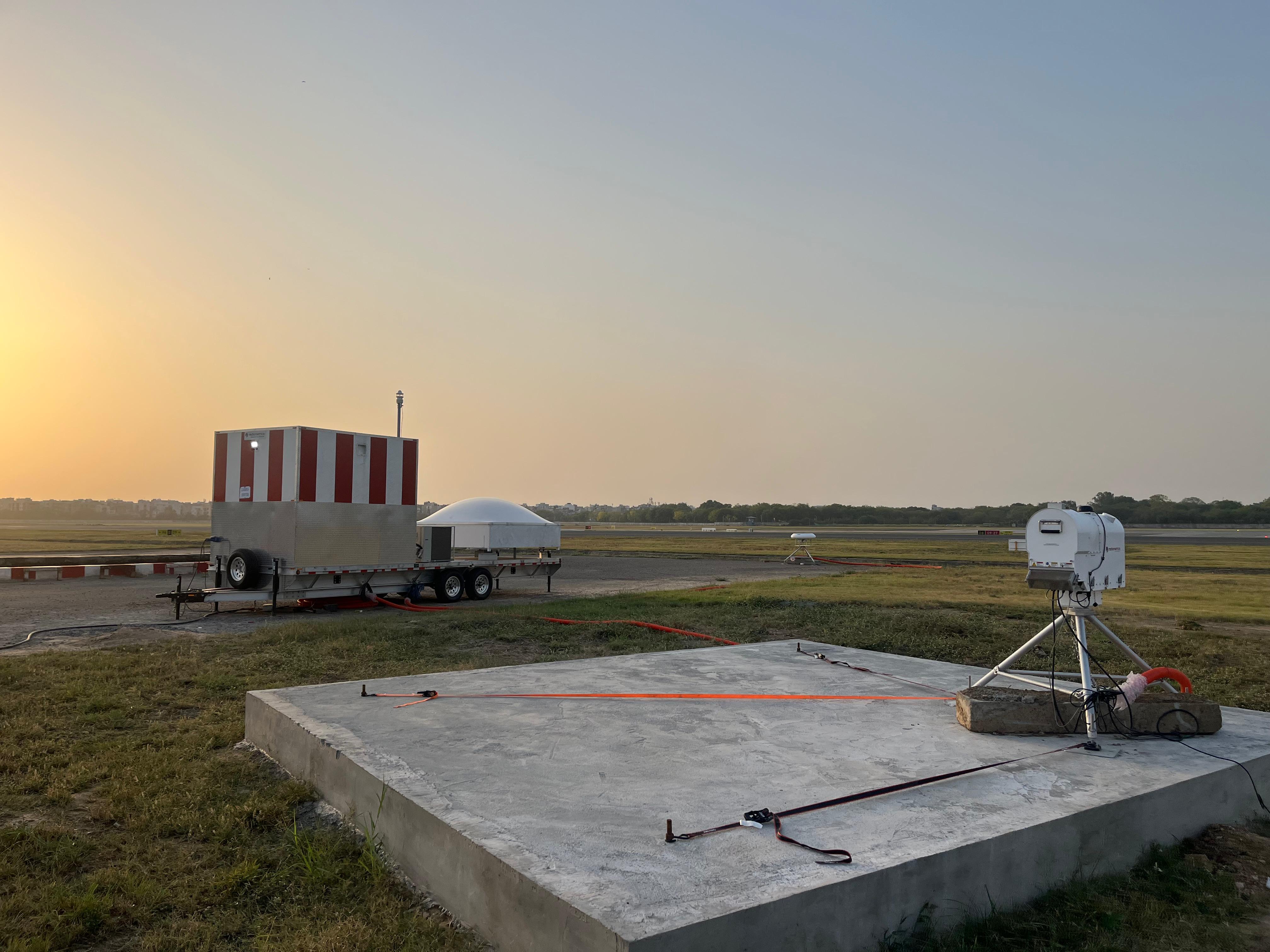
The SkyCast system integrates observations from the wind profiler, microwave radiometer, SODAR, and surface meteorological sensors to provide continuous monitoring of the atmospheric boundary layer (ABL). By combining remote sensing and in-situ measurements, the system captures the temporal evolution of low-level wind fields, temperature structure, turbulence characteristics, boundary-layer stability, inversion layers, low-level jets, and vertical wind shear. These observations enable detailed investigation of boundary-layer processes governing momentum, heat, and moisture transport.
The multi-sensor framework allows for the characterization of diurnal boundary-layer transitions, nocturnal stable boundary layers, elevated inversion layers, and turbulence evolution under varying synoptic and local forcing conditions. Advanced retrieval algorithms derive key parameters such as wind shear magnitude, inversion strength and depth, mixing-layer height, and thermodynamic stability indices. The resulting high-resolution datasets support research on boundary-layer dynamics, fog formation and dissipation, air quality dispersion, urban meteorology, and the development and validation of numerical weather prediction and boundary-layer parameterization schemes.